Practical guidance for real research problems
Guides, worked examples and lessons from real studies to help you make better research decisions from planning through publication.
Featured now

Which Research Ethics Committee Should I Submit to in Uganda?
Choosing a REC in Uganda is not mainly about finding the cheapest or fastest committee. Start with your institutional affiliation, study site and the national ethics-review rules.
Read guideHow to Choose the Right Statistical Test Without Memorising a Table
Stop choosing tests from a giant table. Start with the research question, outcome, comparison, dependence, design and effect estimate you actually need.
Read guideStop Writing One Paragraph Per Study: How to Synthesize a Literature Review
Learn how to synthesize a literature review instead of summarizing one study at a time, with a synthesis matrix and before-and-after example.
Read guideHow to Write Qualitative Findings Without Producing a Quote Dump
Strong qualitative findings make an analytical claim, explain it and use quotations as evidence. Learn how to move from a pile of quotes to an actual findings chapter.
Read guidePopular research problems
Browse by topic
Worked examples
Research decisions being made, not only explained.
How to Write Qualitative Findings Without Producing a Quote Dump
Strong qualitative findings make an analytical claim, explain it and use quotations as evidence. Learn how to move from a pile of quotes to an actual findings chapter.
How to Report Quantitative Results Without Turning Your Results Section Into a P-Value List
Write a quantitative results section that tells readers what you found, not just which p-values crossed 0.05. Includes practical before-and-after examples.
Cochran's Sample Size Formula: Why Everyone Keeps Getting 384
Why Cochran's formula gives 384, how to work through each step, and when to adjust for prevalence, finite populations, non-response and clustering.
Conceptual Framework Examples That Actually Explain a Study
See practical conceptual framework examples for quantitative and qualitative studies, and learn what makes a framework explanatory rather than decorative.
See how research decisions work in actual studies
Examples from real research showing how researchers approached design, methods, analysis and implementation decisions.
Which circumstances shape contraceptive use in Uganda’s secondary cities?
A study of 1,023 women in Jinja and Iganga found that most of the explained inequality in modern family-planning use was connected to circumstances beyond women’s control.
What Happens When Participants Take the Camera?
Ten women spent three months photographing how family planning was experienced at home, at work, in communities and in health services. Here is what the method made visible, and what became more complicated once participants took the camera.
Featured Research: What Shapes Women's Contraceptive Use in Eastern Uganda?
A featured research spotlight on a qualitative study examining how gender norms, partner opposition, side-effect concerns, community beliefs, and service delivery barriers shape women's contraceptive use in eastern Uganda.
Latest from the Library
 Quantitative ResearchGuide3 min read
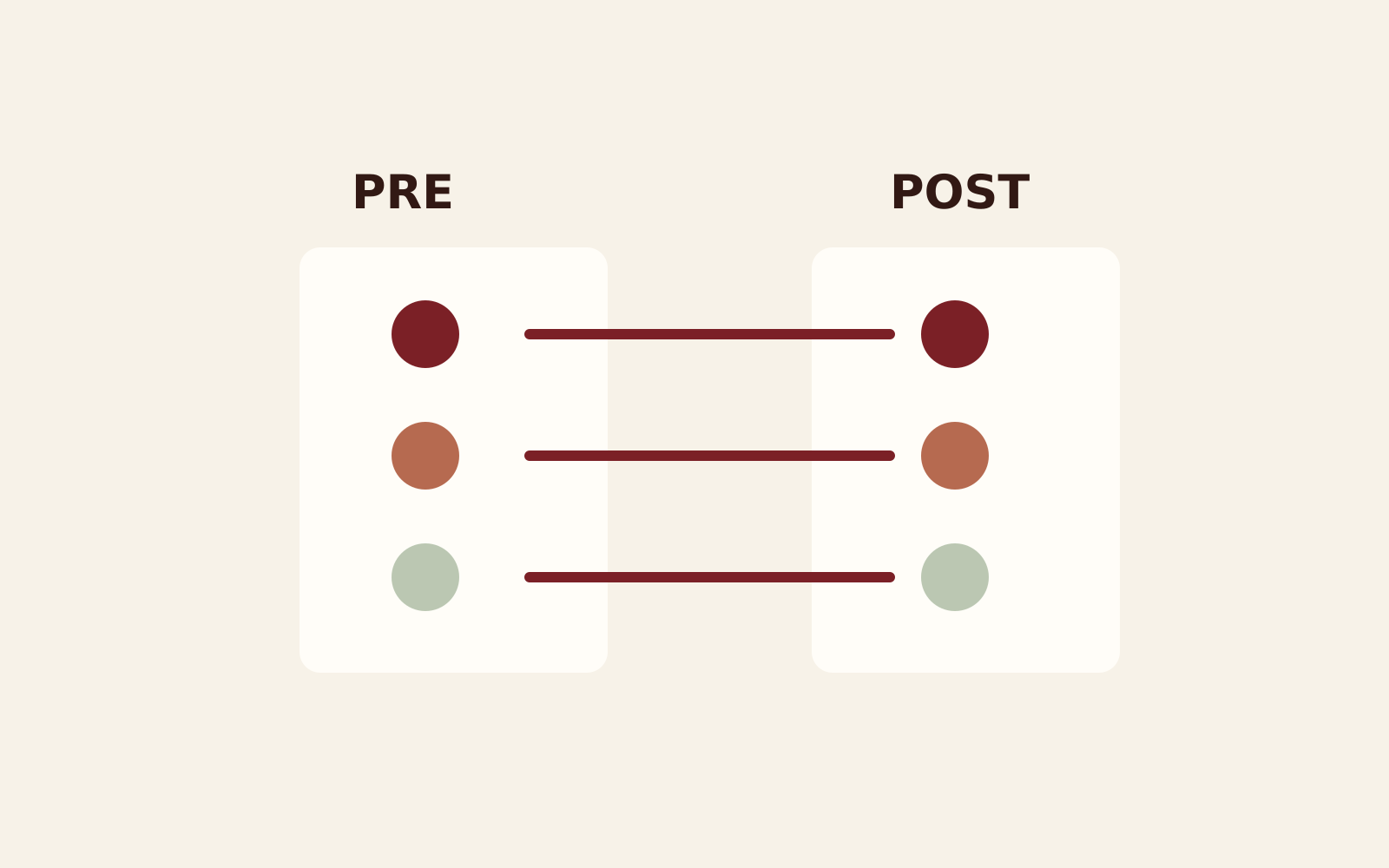
Paired Pre–Post Data: Check the Pairs Before Analysis
Audit identifiers, follow-up windows and attrition before comparing pre- and post-scores, and report the population your estimate represents.
 Quantitative ResearchGuide3 min read
Table 1 in a Research Paper: Example and Checklist
Build a clear participant-characteristics table with appropriate summaries, explicit denominators and a defensible role for comparisons.
 Quantitative ResearchGuide3 min read
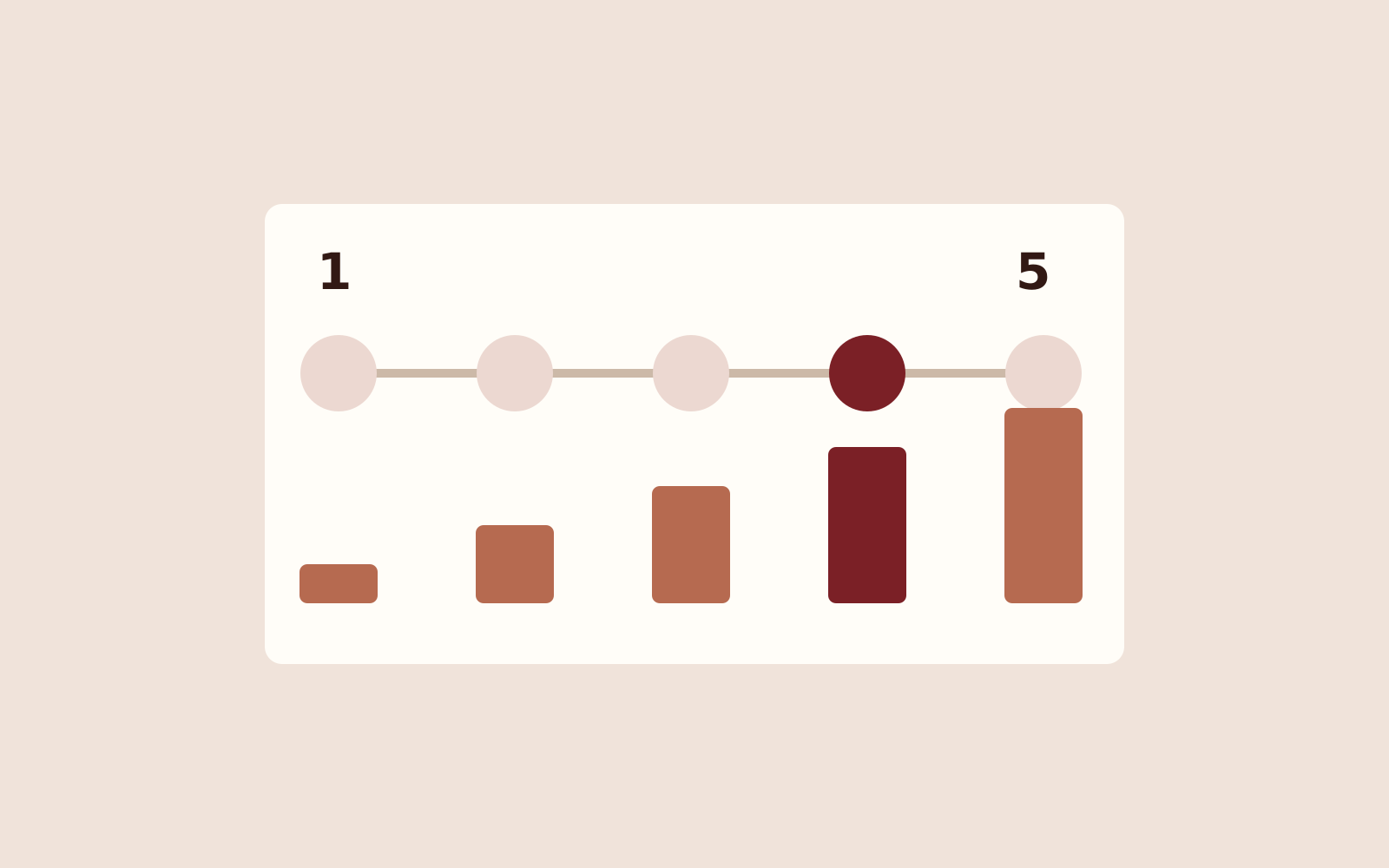
Likert Scale Analysis: Single Items vs Multi-item Scores
Distinguish a single ordered response from a multi-item score, and choose summaries and analyses that match the measure and study question.
 Quantitative ResearchGuide3 min read
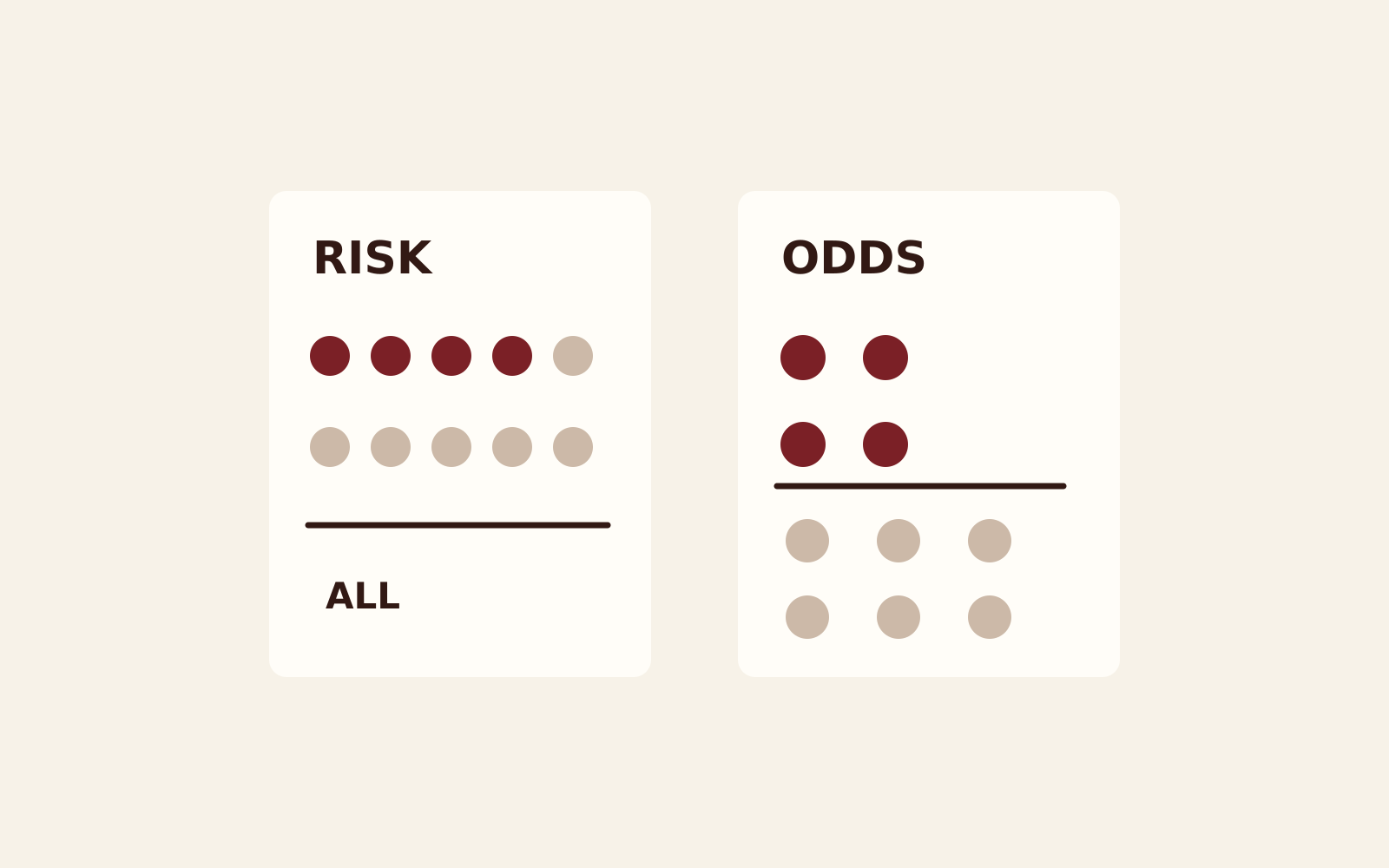
Odds Ratio vs Risk Ratio: A Worked Example
See why an odds ratio and risk ratio can describe the same data with different numbers, and how to report each without exaggerating the finding.
 Qualitative ResearchGuide14 min read
Thematic Analysis in Qualitative Research: A Step-by-Step Guide to Coding and Themes
Learn how to conduct thematic analysis in qualitative research, from familiarising yourself with transcripts and coding data to developing, reviewing and writing strong themes.
- Ethics & FieldworkGuide9 min read
Which Research Ethics Committee Should I Submit to in Uganda?
Choosing a REC in Uganda is not mainly about finding the cheapest or fastest committee. Start with your institutional affiliation, study site and the national ethics-review rules.
 Study Design & ProposalsGuide12 min read
The Research Proposal Audit: 12 Questions to Ask Before You Send It to Your Supervisor
Before sending your proposal, audit the problem, gap, question, objectives, design, population, sampling, measurement, analysis, ethics and final alignment.
 Writing & PublishingGuide6 min read
Your Reviewer Says “The Methods Are Not Clear.” What Do They Actually Want?
“Please clarify your methods” can mean six different problems. Diagnose population, sampling, measurement, procedures, analysis and design justification before rewriting.
Get practical research notes and new opportunities in your inbox.
Get practical research notes and new opportunities
Short, useful emails for researchers in Uganda and East Africa. No spam.